Logged In, Leveled Up, Locked In: How Online Gaming Became America's Newest Social Scene
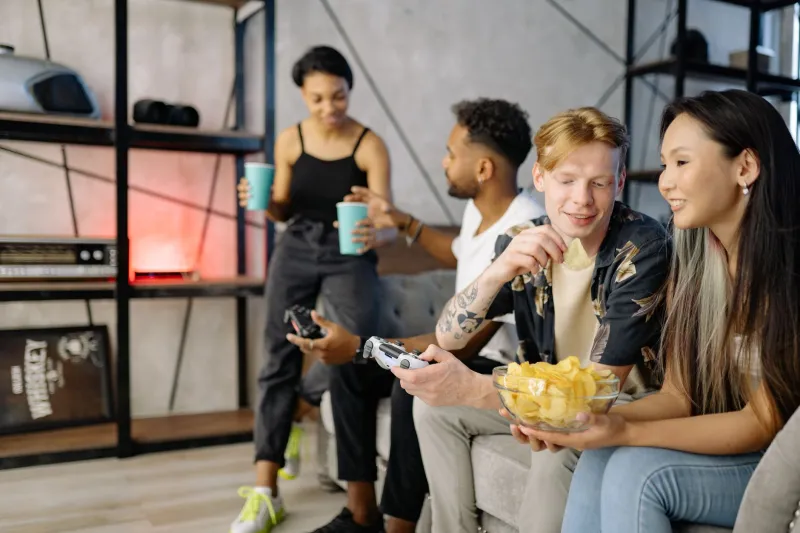
There's a running joke in gaming circles that goes something like this: "I told my mom I was going out to hang with friends. She asked where. I said, online. She hasn't spoken to me since."
Funny, sure. But also increasingly outdated. Because in 2024, the idea that online gaming is a solitary, antisocial activity has been thoroughly dismantled — not by think pieces or cultural critics, but by the millions of Americans who've quietly built some of their most meaningful relationships through a shared love of games.
At CaCuoc68, community is at the heart of what we do. So we wanted to tell that story properly — through the voices of real players, real friendships, and the very real communities that have grown up around online entertainment in the US over the past few years.
From Solo Sessions to Squad Goals
Ask Marcus, a 34-year-old electrician from Columbus, Ohio, how he met his best friends, and he'll give you an answer that would've sounded bizarre a decade ago.
"Discord," he says, without missing a beat. "I joined a server for a card game I was into, and within like three weeks I was talking to these guys every single day. We've since met up in person twice. One of them came to my wedding."
Marcus's story isn't unique — it's actually becoming the norm. According to a 2024 report from the Entertainment Software Association, more than 65% of American gamers say they play regularly with people they met online, and nearly half describe at least one of those connections as a genuine friendship.
The mechanics of how these bonds form have shifted dramatically, too. It's not just about playing together anymore. It's about the conversations that happen between sessions — the group chats, the shared memes, the late-night voice calls where the game is just background noise to actual human connection.
The Rise of the Casual Tournament Scene
Competitive gaming used to feel like a world apart — reserved for pro players with sponsorships, insane reflexes, and the kind of dedication that borders on monastic. That's changed in a big way.
The casual tournament scene has exploded across the US, driven largely by platforms that have made organized competition accessible to everyday players. We're talking about weekend brackets with entry fees of $5 or $10, community leaderboards, and seasonal challenges that give players something to work toward without requiring them to quit their day jobs.
Tamika, a 28-year-old teacher from Atlanta, got into competitive casual gaming almost by accident. "I saw a post in my gaming group about a monthly tournament, and I signed up mostly as a joke," she says. "I finished third. Then I came back the next month. Now I'm helping organize the events."
That trajectory — from participant to community leader — is something we see over and over again in thriving gaming communities. The platforms that do it well create enough structure to make competition feel meaningful, but enough flexibility to keep it fun. And the social layer around those tournaments — the trash talk, the hype, the post-game recaps — is often more entertaining than the competition itself.
The Support Systems Nobody Talks About
Here's something that doesn't get nearly enough coverage in mainstream conversations about gaming: the emotional support that flows through these communities.
Gaming groups, particularly those built around casual entertainment platforms, have become surprisingly robust support networks. Members celebrate each other's wins — not just in-game, but in life. Job promotions, new babies, health milestones. And they show up during hard times, too.
Derek, a 41-year-old from Phoenix who's been part of the same online gaming community for four years, describes it simply: "When I went through my divorce, those guys checked in on me more than some of my real-life friends did. We've never met in person. But I'd call them friends before I'd call some of my coworkers friends."
This is the part of gaming culture that rarely makes headlines but probably should. The stereotype of the isolated gamer staring blankly at a screen couldn't be further from the reality of what these communities actually look like from the inside.
What Makes a Gaming Community Actually Stick
Not every gaming group becomes a lasting community, of course. Plenty of Discord servers go quiet after a few weeks, and many tournament formats fizzle out before they find their footing. So what separates the communities that endure from the ones that don't?
From what we've observed and what members consistently report, a few ingredients seem to be essential:
Consistent shared activity. Communities need a reason to gather regularly — whether that's a weekly game night, a recurring tournament, or a shared challenge that resets every month. Sporadic engagement rarely builds lasting bonds.
A culture of inclusion. The gaming communities that thrive in 2024 tend to be the ones that actively welcome newcomers and make space for players of different skill levels. Gatekeeping kills momentum fast.
Leadership that gives a damn. Almost every thriving gaming community has one or two people who take it upon themselves to keep things organized, resolve conflicts, and keep the energy positive. These people are invaluable and often underappreciated.
A platform that supports connection. This one matters more than people realize. When the platform itself makes it easy to communicate, compete, and celebrate together, community formation happens almost organically.
Gaming as a Lifestyle, Not Just a Pastime
The shift from "I play games sometimes" to "gaming is part of who I am" is happening across age groups and demographics in the US right now. And it's not driven by addiction or escapism — it's driven by genuine enjoyment and authentic connection.
According to data from Newzoo's 2024 Global Games Market Report, American casual gamers now average more than 7 hours per week on gaming-related activities — and that includes not just playing, but watching streams, participating in community forums, and following gaming content creators. The lifestyle has expanded well beyond the game itself.
For platforms like CaCuoc68, this is both exciting and carries real responsibility. When gaming becomes a lifestyle, the communities built around it start to matter in a much deeper way. They become part of people's social fabric, their weekly routine, their sense of belonging.
Playing Together, Growing Together
At the end of the day, the most remarkable thing about the rise of American gaming communities isn't the technology that enables them or the competitive structures that organize them. It's the simple, stubbornly human fact that people found each other through a shared love of games and decided to stick around.
Marcus is still in that Discord server, four years later. Tamika is planning her community's end-of-year championship tournament. Derek logs on every Thursday night, same time as always, because that's when his people are online.
The games themselves come and go. The communities, when they're built right, tend to last.
At CaCuoc68, we're proud to be part of a world where entertainment doesn't just pass the time — it builds something real. Whether you're a weekend warrior, a tournament regular, or just someone looking for a fun corner of the internet to call home, there's a community out there with your name on it.
Log in. Say hi. You might be surprised who you meet.