Why the 'Just Five Bucks' Trap Costs Casual Gamers Way More Than It Should
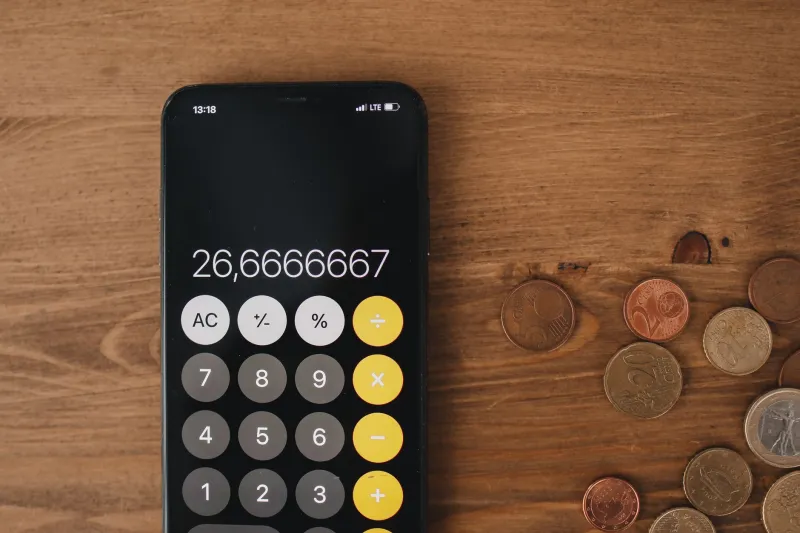
Picture this: you download a free mobile game on a Sunday afternoon, mostly to kill time between errands. Three weeks later, you've spent $47 on it — and you don't even consider yourself a "real" gamer. Meanwhile, your coworker who identifies as a hardcore gamer just paid $60 for a title they'll still be playing six months from now. Something's off with that math, and it's not an accident.
The economics of free-to-play gaming are engineered with surgical precision, and casual players are the primary target. Understanding exactly how these systems work — and why your brain is so susceptible to them — is the most practical strategy upgrade you can make in 2024.
The Illusion of the Small Purchase
The foundational trick behind microtransaction design is what behavioral economists call pain of paying reduction. When you hand over a $60 bill for a boxed game, you feel the cost. It registers. You think about whether it's worth it. But when you tap a button to spend 500 in-game coins — which you bought for $4.99 last week and have been mentally categorized as "already spent" — the psychological friction is almost zero.
Game designers know this. It's why so many free-to-play titles use an intermediate currency layer: you buy "gems" or "gold" or "credits," which creates deliberate distance between real money and in-game spending. By the time you're spending gems, you've already done the mental accounting. The money feels spent, not being spent.
This one design choice is responsible for a massive portion of the revenue gap between casual and dedicated players. A hardcore gamer buying a $70 premium title has made one conscious, deliberate purchase. A casual player who "just" spends $5 here and there on a mobile game three times a week has spent $60 in a month — and often has very little to show for it in terms of lasting entertainment value.
The $5 Myth, Exposed by the Numbers
Let's run the actual math, because most people never do. The average American casual mobile gamer — someone who plays a few free apps recreationally — spends somewhere between $40 and $80 per month on in-app purchases, according to industry research from Sensor Tower and Apptopia. Compare that to the dedicated PC gamer who might buy two or three games per month during a Steam sale for a total of $30-45, and the inversion becomes stark.
The casual spender isn't being reckless. They're being systematically nudged. Consider the most common spending triggers in free-to-play design:
The Energy Refill. You're mid-session, you run out of lives or energy, and for $1.99 you can keep going right now. The cost is trivial. The alternative — waiting 30 minutes — feels genuinely annoying. Most players pay. Most players do this multiple times per week.
The Battle Pass. At $10-15 per season, a battle pass feels like a bargain — and it often is, in terms of content value. But it also creates a psychological obligation to keep logging in to "get your money's worth," which in turn exposes you to more spending opportunities.
The Limited-Time Offer. A cosmetic bundle that "normally" costs 2,000 gems is available for 800 gems for the next six hours. The scarcity is artificial. The discount may or may not be real. But the urgency it creates is extremely effective at bypassing deliberate decision-making.
The Starter Pack. Your very first purchase in a game is almost always heavily discounted. This isn't generosity — it's the most important conversion moment in casual gaming economics. Once you've made one purchase, you are statistically far more likely to make a second.
Why Your Brain Is Particularly Vulnerable (And It's Not a Character Flaw)
None of this works because casual players are naive. It works because of hardwired cognitive patterns that apply to everyone.
The sunk cost fallacy keeps players spending on games they've already invested in. The near-miss effect — common in games that show you almost winning a prize draw — triggers the same reward circuitry as actual wins. Social proof mechanics (seeing that your friends bought a skin, or that 10,000 players unlocked a character this week) activate conformity instincts that have nothing to do with whether you actually want the item.
Recognizing these triggers isn't about feeling bad about past purchases. It's about building a small gap between the impulse and the tap — just enough friction to make the decision conscious rather than automatic.
Practical Moves to Break the Pattern
The goal isn't to stop enjoying free-to-play games. Many of them are genuinely great entertainment. The goal is to engage with them on your terms.
Set a monthly entertainment budget and treat it as a hard cap. Even $20 a month is fine — the point is that it's a number you've chosen deliberately. When it's gone, it's gone. This single habit transforms your relationship with in-app purchases more than any other.
Wait 24 hours before any in-game purchase. The energy refill that felt urgent last night almost never feels urgent the next morning. This rule alone eliminates the majority of impulse spending.
Audit your last 90 days of app store purchases. Most people are genuinely shocked by the total. Apple and Google both make this easy to find in your account settings. Seeing the actual number — not the individual $2.99 transactions, but the sum — is one of the most effective behavior-change tools available.
Consider paying upfront for premium versions. Many popular mobile games offer a one-time paid version that removes ads and purchase prompts entirely. Paying $6.99 once for a game you'll play for months is often dramatically cheaper than the free version.
Playing Smart Costs Less and Feels Better
At CaCuoc68, we're big believers in entertainment that actually delivers value — not just in the moment, but over time. The players who get the most out of their gaming lives aren't the ones who spend the most. They're the ones who spend intentionally.
Free-to-play isn't inherently a trap. But walking into it without understanding how it works is a little like going to a casino without knowing the house edge. Knowledge doesn't ruin the fun — it just makes sure the fun is actually on your side.