Playing Alone, Feeling Connected: The Surprising Social Life of the Solo Gamer
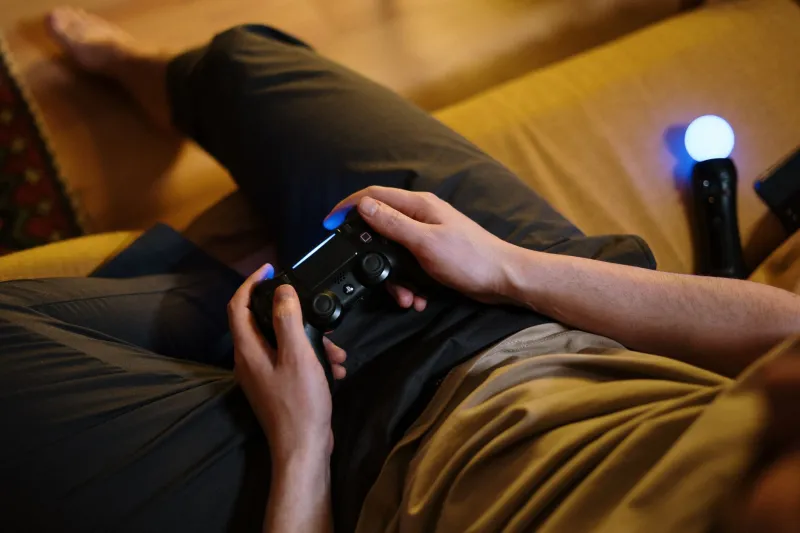
There's a version of the solo gamer that lives in the popular imagination: headphones on, blinds drawn, disconnected from the world. It's a stereotype that parents worry about, partners sometimes resent, and cultural critics love to cite. There's just one problem with it — it's increasingly, demonstrably wrong.
The reality of solo gaming in 2024 looks nothing like that image. It looks like Marcus in Atlanta checking his Elden Ring completion rank against 40,000 other players after a late-night boss fight. It looks like Priya in Phoenix posting a screenshot from a narrative indie game that sparks a 300-comment conversation about grief and storytelling. It looks like communities of strangers who've never played together, never voice-chatted, and never met — but who share something real.
Solo gaming has developed a social life of its own. And the science behind why it works is fascinating.
The Brain on Asynchronous Connection
Neuroscientists studying social behavior have identified something important: the human need for connection isn't exclusively satisfied by real-time, face-to-face interaction. What the brain actually craves is a sense of shared experience — the feeling that others have walked where you've walked and felt what you've felt.
This is why reading a book that millions of others have read can feel strangely communal. It's why people cry at movies alone in their living rooms. The experience is private, but the emotion is shared. Gaming operates on the same principle, and it does so with a level of interactivity that books and films can't match.
When you play through a story-driven single-player game — something like The Last of Us, Celeste, or Disco Elysium — and then discover that thousands of other players had the exact same gut-punch reaction to a specific moment, something neurologically significant happens. Your brain processes that shared reaction as genuine social bonding. The oxytocin response is real, even if the interaction is asynchronous.
Dr. Pamela Rutledge, a media psychologist who has studied gaming behavior extensively, describes this as "parasocial connection with depth" — a form of social engagement that lacks the friction of real-time interaction but delivers much of the emotional reward. For introverts, people with social anxiety, or simply folks with complicated schedules, this isn't a consolation prize for "real" connection. It's a legitimate social experience that fits their lives.
Leaderboards: The Invisible Rivalry That Keeps You Coming Back
Ask any dedicated single-player gamer whether they check leaderboards, and most will admit — sometimes sheepishly — that they do. A lot. There's a reason for that beyond simple competitiveness.
Leaderboards transform a solitary activity into a persistent, low-stakes relationship with thousands of strangers. You don't know the person ranked just above you, but you're aware of them. You've probably spent time trying to beat their score. In a very real sense, they've been your training partner, your rival, and your benchmark — without either of you exchanging a single word.
This dynamic is particularly powerful in score-attack games, speedrunning communities, and challenge modes. The speedrunning world, which orbits events like Games Done Quick and platforms like Speedrun.com, has created some of the most tightly knit communities in all of gaming — communities built almost entirely around players who first fell in love with a game alone, in their bedrooms, before ever connecting with another human being over it.
Single-Player Games as Cultural Flashpoints
Some of the most significant shared cultural moments in American gaming over the past decade have been generated not by multiplayer titles, but by single-player ones.
The discourse around The Last of Us Part II — its narrative choices, its moral complexity, its willingness to challenge players emotionally — generated more genuine cultural conversation than most multiplayer games of its era. Celeste sparked widespread discussion about mental health and representation in ways that transcended gaming entirely. Stardew Valley, a game you play entirely alone on a virtual farm, has become a shared touchstone for millions of people navigating burnout and the search for meaning.
These aren't accidents. They're the result of single-player games doing something multiplayer experiences often can't: delivering a complete, authored emotional journey that players then need to process and discuss. The solo session creates the experience. The community processes it together afterward.
On platforms like Reddit, TikTok, and Discord, the post-game conversation around major single-player releases can last for years. Players share theories, fan art, emotional reactions, and personal stories about what a game meant to them during a specific period of their lives. This is community formation — just happening on a different timeline than a raid night or a ranked match.
Real Stories From the Unexpected Social Lives of Solo Players
Take Jamie, a 34-year-old nurse in Chicago who started playing narrative indie games during long overnight shifts. "I'd finish a game and immediately go to Reddit to read other people's reactions," she says. "It felt like the same thing as leaving a movie theater and needing to talk about it. Except there were always people there, at 3am, who wanted to talk."
Or consider Derek, a 28-year-old in Portland who discovered speedrunning through YouTube rabbit holes. He spent eight months playing a single platformer alone before ever posting his own run. "By the time I actually joined the Discord, I already felt like I knew people. I'd watched their runs, read their strategies. I wasn't a stranger walking into a room — I was a fan finally meeting the people I'd been following."
These stories repeat, with variations, across gaming communities nationwide. The solo session is often the beginning of a social journey, not the end of one.
Rethinking What "Social" Actually Means
The cultural narrative that online gaming isolates people is overdue for revision. The more accurate story is that gaming — including solo gaming — has created new forms of social infrastructure that don't look like traditional socialization but function in many of the same ways.
Shared references, inside jokes, community rituals, collective emotional experiences, friendly rivalries, and genuine support networks have all emerged from solo gaming contexts. The players who inhabit these spaces aren't avoiding connection. They're finding it in a form that works for them.
At CaCuoc68, we've always believed that entertainment is better when it brings people together — even when "together" looks a little different than it used to. Playing alone doesn't have to mean being alone. Most of the time, it doesn't.