So You Want to Go Pro: The Real Numbers Behind Turning Your Gaming Hobby Into a Career
For a lot of American gamers, the fantasy is basically the same: imagine if you could just play games all day and get paid for it. And in 2024, that's not entirely a fantasy anymore. There are real people making real money through competitive gaming, streaming, content creation, and esports. But there's a version of this story that gets told a lot less often — the one where someone quits their job, burns through their savings, and ends up right back where they started, except now they kind of hate the thing they used to love.
Both stories are true. The question is which one applies to you.
The Earning Landscape: What's Actually Realistic
Let's start with the money, because that's usually the first question and the one with the most confusing answers online.
The top tier of esports — the Faker-level, tournament-circuit, sponsored-team players — can absolutely pull in six figures or more annually. Major tournaments in games like Dota 2, CS2, and Valorant have prize pools that regularly hit millions of dollars. That part is real.
What's also real is that those players represent a fraction of a fraction of the total competitive gaming population. For every household esports name, there are thousands of highly skilled players earning somewhere between nothing and a modest side income.
According to various industry surveys and creator economy reports, the median streamer on Twitch earns less than $500 per month before factoring in platform fees and taxes. Semi-professional players competing in regional leagues or open qualifiers might earn a few hundred to a few thousand dollars per year from prize money — which sounds promising until you account for the hours invested to get there.
Content creation is a longer runway with potentially higher ceilings. YouTube and TikTok creators who build genuine audiences around gaming content can generate ad revenue, sponsorships, and merchandise income. But "building an audience" is its own full-time job, one that has almost nothing to do with how good you are at the game.
The Setup Cost Nobody Talks About Enough
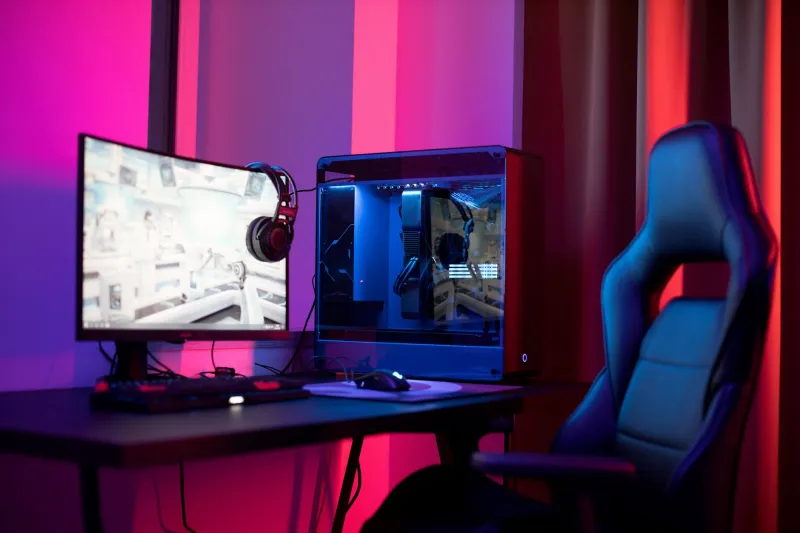
Before you earn a single dollar, you're probably spending several thousand. A competitive-grade PC setup — monitor with a high refresh rate, mechanical keyboard, precision mouse, quality headset, and a rig powerful enough to run modern titles at peak performance — can easily run $2,000 to $4,000 or more depending on the specs you're targeting.
Add in a decent microphone and camera if you're planning to stream, stable high-speed internet (and potentially a backup connection), and any game-specific peripherals, and you're looking at a meaningful upfront investment before you've played a single competitive match.
Then there's the ongoing cost. Software subscriptions, game purchases, tournament entry fees, coaching sessions — these add up over time. Serious players often invest in professional coaching, which can run anywhere from $30 to $150 per hour depending on the coach's credentials and the game.
None of this is meant to be discouraging. It's just the actual picture.
Time: The Currency That Doesn't Show Up on a Balance Sheet
Here's where the math gets really uncomfortable for a lot of people. Reaching a genuinely competitive level in most popular titles requires a time commitment that's hard to overstate.
Top-ranked players in games like Apex Legends or Rocket League typically log eight to twelve hours of focused practice per day during peak training periods. Even players operating at a semi-professional level often put in four to six hours daily, not counting time spent reviewing footage, studying opponents, or working on specific mechanics in isolation.
For most American adults with jobs, families, or school commitments, that's simply not available time. And the players who do make it work often describe a period of genuine sacrifice — relationships put on hold, sleep deprivation, social isolation. It's a lifestyle, not just a hobby upgrade.
Burnout is arguably the most underreported hazard in the competitive gaming world. Multiple pro players and coaches have spoken openly about hitting walls after years of intense play — losing the motivation, the joy, and sometimes even the skill level they'd built up over years. When gaming shifts from something you love to something you have to do to pay rent, the relationship with it changes in ways that aren't always reversible.
The Success Stories Worth Studying
None of this means going competitive is a bad idea. It means going in with eyes open is a good one.
There are genuinely inspiring cases of players who built sustainable careers by being strategic about their path. Some found success not as competitors but as coaches, analysts, or content creators in the gaming space — roles that leverage deep game knowledge without requiring tournament-level mechanical skill. Others built local and regional reputations first, using smaller competitive scenes as proving grounds before pursuing larger opportunities.
The common thread in most success stories isn't just talent. It's a clear understanding of what specifically they were trying to achieve, a realistic timeline, and a backup plan that didn't feel like failure.
A Framework for Making the Call
If you're genuinely weighing this decision, here are a few questions worth sitting with honestly:
What's your actual goal? "Going pro" means different things to different people. Competing in a regional league is very different from chasing an org contract. Streaming part-time is very different from trying to make it your primary income. Getting specific about your target changes the entire cost-benefit equation.
What can you actually sustain? Not what you could do for three months if you were really motivated — what can you realistically maintain for two or three years without burning out or blowing up your finances?
What does the opportunity cost look like? Every hour you spend grinding ranked is an hour not spent on something else. That's not a reason to stop — it's just a calculation worth making consciously.
Are you enjoying the process, or just the idea of the outcome? This one matters more than most people admit. If the daily grind of competitive play already feels like a chore at the casual level, adding financial pressure to it rarely makes it feel better.
The path from casual to competitive is real and walkable. But like any serious endeavor, the people who navigate it best are the ones who went in knowing exactly what they were signing up for.